Engaging Youth in Their Careers
Article Sidebar
-
career literacy, young adults, career planning, self-realization, growth experiences, goal direction, experiential learning
Abstract
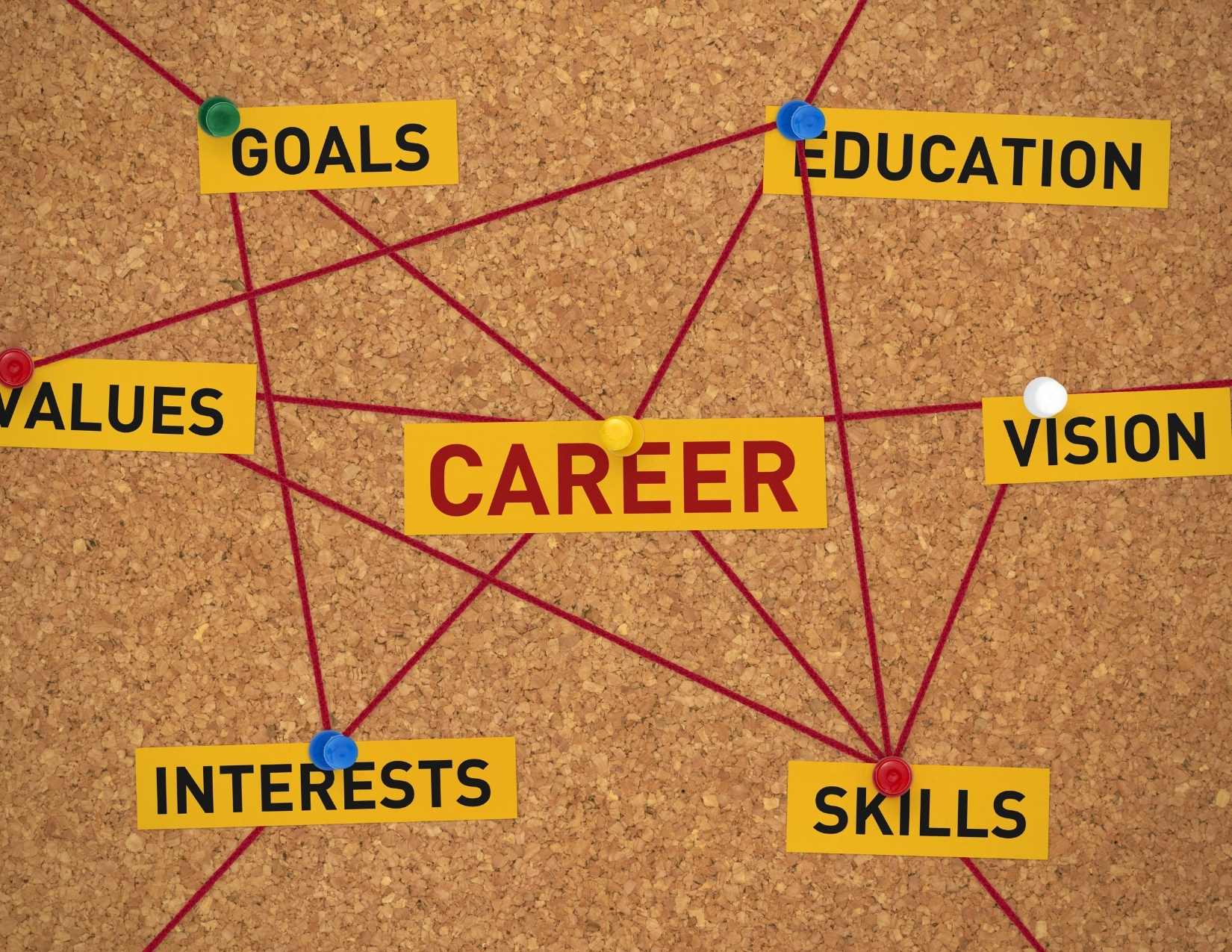
This paper describes the steps in designing a career literacy project where students are active agents in their career planning. It aims to inculcate career management as a staying power strategy and to foster a commitment to vocational awareness and proactive career management for life. The project is intended for implementation in an inner-city high school that is characterized by its openness to increase awareness among young adults of the need to plan a career path and instil an overall habit of career and life management. An array of linked learning tasks following principles of career literacy learning unfold and include creating career visions, generating career goals, and designing education-career portfolios. By drawing on young adults’ interests and values, their investment in their career development, and research-informed approaches to career coaching and counselling, Iterative Project – Question, Reflect, Reassess (IP-QR²) sets the stage for a deeper exploration into how young adults can make career and or educational choices that support the successful transition to life after high school.
Full text article
References
Government of Alberta. (n.d.). Alis. https://alis.alberta.ca
Graham, D. (2020, January 27). Students perspective on careers & career development: 2020 [Conference session]. Cannexus20, Ottawa, Ontario, Canada.
National Center for O*NET Development. (2020, June 23). Build your future with O*NET Online. https://www.onetonline.org
Peila-Shuster J.J., Carlson L.A., & Huff A.E. (2019) Children’s career development: The building blocks for career adaptability. In J. G. Maree (Ed.) Handbook of innovative career counselling (pp. 231-249). Springer.
Trusty, J., Niles, S.G., & Carney, J.V. (2005). Education-career planning and middle school counselors. Professional School Counseling, 9(2), 136-143. https://doi.org/10.1177 /2156759X0500900203
VIA Institute on Character. (n.d.). Bring your character strengths to life & live more fully. https://www.viacharacter.org
Authors
Copyright (c) 2021 Canadian Journal of Career Development

This work is licensed under a Creative Commons Attribution-NonCommercial-NoDerivatives 4.0 International License.
Copyright in the article is vested with the Authors' under the terms of the Creative Commons Attribution-NonCommercial-NoDerivatives 4.0 International - Creative Commons International (CC BY-NC-ND 4.0) Under this license:
1. Authors retain copyright and grant the Canadian Journal of Career Development right of first publication with the work simultaneously licensed under a Creative Commons Attribution License that allows others to share the work with an acknowledgement of the work's authorship and initial publication in this journal
2. Authors are able to enter into separate, additional contractual arrangements for the non-exclusive distribution of the journal's published version of the work (e.g., post it to an institutional repository, in a journal or publish it in a book), with an acknowledgment of its initial publication in this journal.
3. Authors are permitted and encouraged to post their work online (e.g., in institutional repositories or on their website) prior to and during the submission process, as it can lead to productive exchanges, as well as earlier and greater citation of published work.
4. Authors are not permitted to include the journal's published version of the work in any location that requires monetary payment, of any amount, for reader and/or download access.
Article Details